


- The Library Shop
- Privacy Policy
- Rules and Regulations
- Using the Internet
- Website Terms and Conditions
- Gifts of Materials to NYPL
-
© The New York Public Library, 2026
The New York Public Library is a 501(c)(3) | EIN 13-1887440
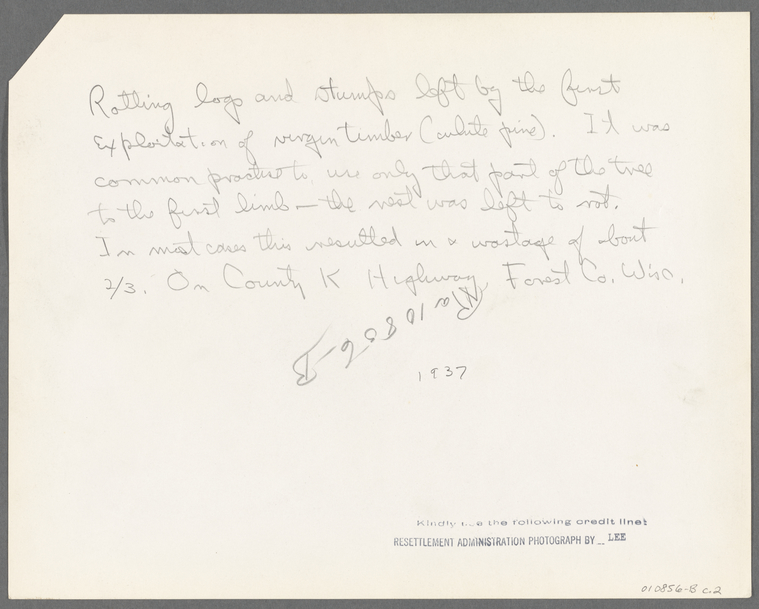
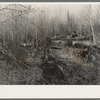
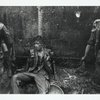
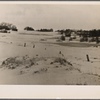
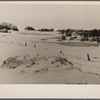
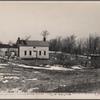
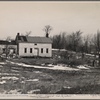
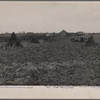
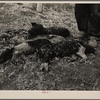
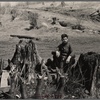
The Miriam and Ira D. Wallach Division of Art, Prints and Photographs: Photography Collection, The New York Public Library. "Rotting logs and stumps left by the first exploitation of virgin timber (white pine). It was a common practice to use only the part of the tree to the first limb, the rest was left to rot. In most cases this resulted in wastage of about two thirds" The New York Public Library Digital Collections. 1937. https://old-digitalcollections.nypl.org/items/0b5fd5c0-af9a-0136-0033-7b9a97c5bc12
The Miriam and Ira D. Wallach Division of Art, Prints and Photographs: Photography Collection, The New York Public Library. "Rotting logs and stumps left by the first exploitation of virgin timber (white pine). It was a common practice to use only the part of the tree to the first limb, the rest was left to rot. In most cases this resulted in wastage of about two thirds" New York Public Library Digital Collections. Accessed October 7, 2026. https://old-digitalcollections.nypl.org/items/0b5fd5c0-af9a-0136-0033-7b9a97c5bc12
The Miriam and Ira D. Wallach Division of Art, Prints and Photographs: Photography Collection, The New York Public Library. (1937). Rotting logs and stumps left by the first exploitation of virgin timber (white pine). It was a common practice to use only the part of the tree to the first limb, the rest was left to rot. In most cases this resulted in wastage of about two thirds Retrieved from https://old-digitalcollections.nypl.org/items/0b5fd5c0-af9a-0136-0033-7b9a97c5bc12
<ref name=NYPL>{{cite web | url=https://old-digitalcollections.nypl.org/items/0b5fd5c0-af9a-0136-0033-7b9a97c5bc12 | title=
(still image)
Rotting logs and stumps left by the first exploitation of virgin timber (white pine). It was a common practice to use only the part of the tree to the first limb, the rest was left to rot. In most cases this resulted in wastage of about two thirds, (1937)|author=Digital Collections, The New York Public Library |accessdate=October  7, 2026 |publisher=The New York Public Library, Astor, Lenox, and Tilden Foundations}}</ref>