







- The Library Shop
- Privacy Policy
- Rules and Regulations
- Using the Internet
- Website Terms and Conditions
- Gifts of Materials to NYPL
-
© The New York Public Library, 2026
The New York Public Library is a 501(c)(3) | EIN 13-1887440
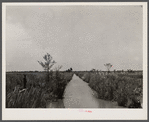
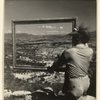
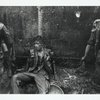
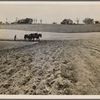
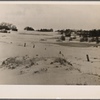
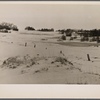
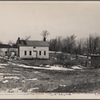
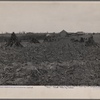
The Miriam and Ira D. Wallach Division of Art, Prints and Photographs: Photography Collection, The New York Public Library. "Main flood and drainage ditch of Savannah River migratory waterfowl refuge, biological survey project near Savannah, Georgia. This ditch served when area produced rice until 1895, when rice prices fell and tropical storm damaged field and walls." The New York Public Library Digital Collections. 1936. https://old-digitalcollections.nypl.org/items/ae7473a0-c4dc-013e-2513-0242ac110002
The Miriam and Ira D. Wallach Division of Art, Prints and Photographs: Photography Collection, The New York Public Library. "Main flood and drainage ditch of Savannah River migratory waterfowl refuge, biological survey project near Savannah, Georgia. This ditch served when area produced rice until 1895, when rice prices fell and tropical storm damaged field and walls." New York Public Library Digital Collections. Accessed October 31, 2026. https://old-digitalcollections.nypl.org/items/ae7473a0-c4dc-013e-2513-0242ac110002
The Miriam and Ira D. Wallach Division of Art, Prints and Photographs: Photography Collection, The New York Public Library. (1936). Main flood and drainage ditch of Savannah River migratory waterfowl refuge, biological survey project near Savannah, Georgia. This ditch served when area produced rice until 1895, when rice prices fell and tropical storm damaged field and walls. Retrieved from https://old-digitalcollections.nypl.org/items/ae7473a0-c4dc-013e-2513-0242ac110002
<ref name=NYPL>{{cite web | url=https://old-digitalcollections.nypl.org/items/ae7473a0-c4dc-013e-2513-0242ac110002 | title=
(still image)
Main flood and drainage ditch of Savannah River migratory waterfowl refuge, biological survey project near Savannah, Georgia. This ditch served when area produced rice until 1895, when rice prices fell and tropical storm damaged field and walls., (1936)|author=Digital Collections, The New York Public Library |accessdate=October 31, 2026 |publisher=The New York Public Library, Astor, Lenox, and Tilden Foundations}}</ref>